Why Most Self-Improvement Doesn't Last
Most lasting change doesn't begin with becoming someone new. It begins with noticing who you've been all along.
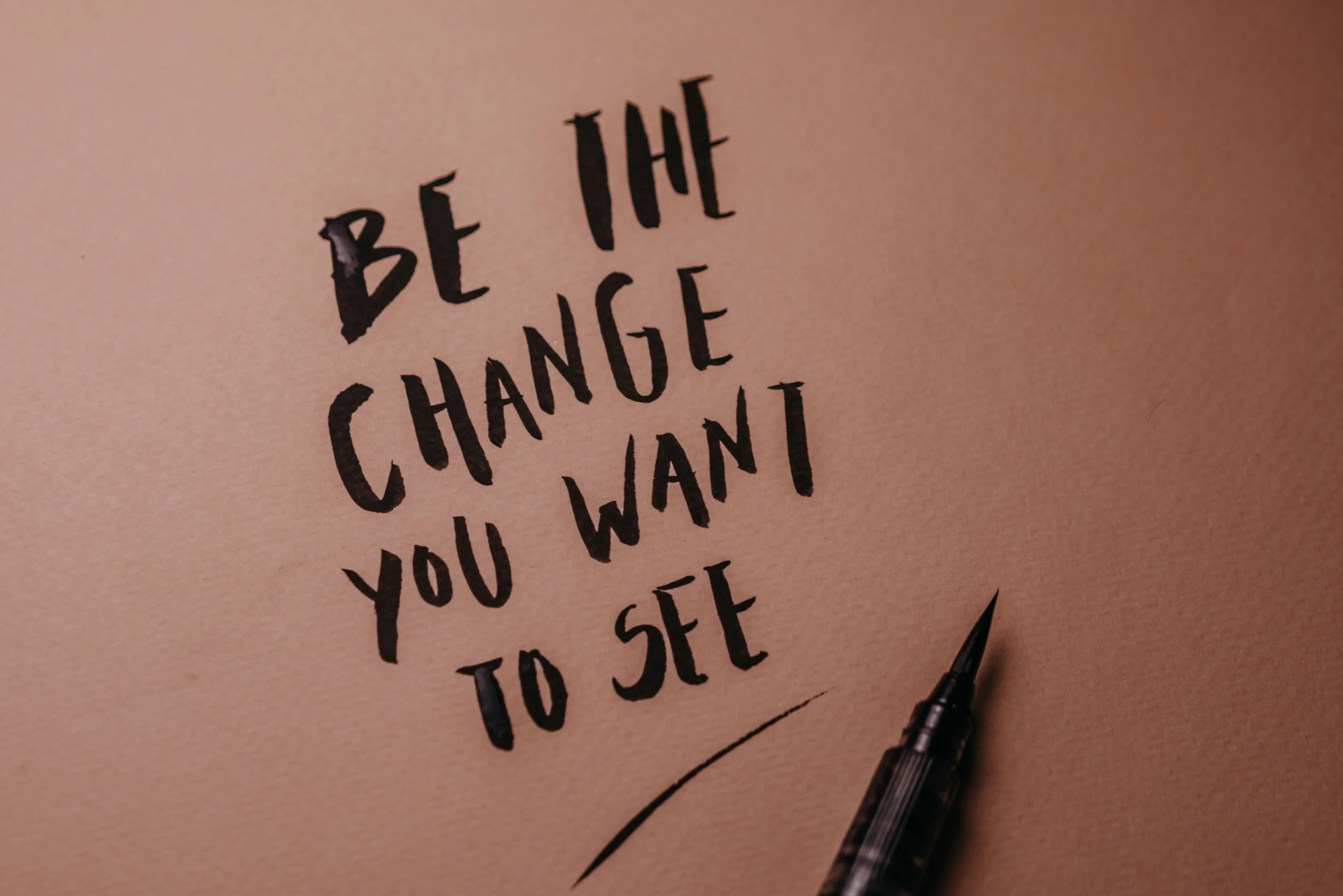
If you've ever promised yourself that this time will be different, you're not alone.
You've downloaded the habit tracker. Bought the planner. Read the books. Started waking up earlier. Maybe you even kept the routine going for a few weeks.
Then life happened.
The habits disappeared.
The motivation faded.
And somewhere along the way, you quietly wondered whether discipline simply wasn't something you possessed.
But what if the problem was never your consistency?
What if most self-improvement doesn't last because it's built on changing behavior before understanding the person behind the behavior?
Lasting transformation rarely begins with doing more.
It begins with noticing more.
Why Self-Improvement Often Fails
The modern self-improvement industry tends to sell transformation as a checklist.
Wake up at 5 a.m.
Drink more water.
Journal every morning.
Meditate for twenty minutes.
Read fifty books a year.
Exercise six days a week.
While none of these habits are inherently bad, they often become disconnected from the deeper question:
Why am I trying to become this version of myself?
Without that answer, habits become performances instead of expressions.
And performances are exhausting.
Eventually, the pressure outweighs the purpose.
Change Doesn't Start With Action—It Starts With Awareness
Before behavior changes, perception changes.
You begin noticing patterns that have quietly shaped your life for years.
Perhaps you procrastinate because you're overwhelmed—not lazy.
Perhaps you overcommit because you're uncomfortable disappointing people.
Perhaps you constantly seek productivity because stillness makes you confront emotions you've been avoiding.
These aren't discipline problems.
They're awareness opportunities.
Reflection is the foundation that sustainable change is built upon.
When you understand the pattern, you're no longer fighting yourself.
You're working with yourself.
The Missing Step: Identity Before Habits
Many people attempt to install habits into an identity that doesn't support them.
Imagine trying to build a beautiful house on unstable soil.
No matter how carefully you decorate it, the structure eventually shifts.
The same is true for personal growth.
Habits are the architecture.
Identity is the foundation.
Instead of asking:
"What habit should I start?"
Ask:
Who am I becoming?
What kind of life feels honest to me?
What values do I want my daily choices to reflect?
What am I no longer willing to normalize?
When identity becomes clear, behavior follows with far less resistance.
Motivation Is Temporary. Systems Are Helpful. Awareness Is Permanent.
Much of the conversation around personal growth revolves around motivation and productivity systems.
Both have value.
Neither is enough.
Motivation fluctuates.
Systems create consistency.
But awareness creates wisdom.
Once you notice a pattern, you can't unsee it.
Once you recognize what drains your energy, you begin protecting it.
Once you understand what actually nourishes you, your choices become less about willpower and more about alignment.
That shift changes everything.
Stop Chasing Better. Start Becoming More Honest.
Many self-improvement goals are actually attempts to escape ourselves.
We pursue the perfect morning routine because we think it will make us worthy.
We obsess over productivity because we fear being seen as unproductive.
We collect advice because making our own decisions feels risky.
But sustainable growth asks a different question.
Not:
"How can I become better?"
Instead:
"How can I become more honest?"
Honest about what matters.
Honest about your capacity.
Honest about your season of life.
Honest about what success actually looks like for you.
That honesty creates peace that performance never will.
Practical Ways to Build Change That Lasts
Instead of adding another habit, begin with observation.
For one week, simply notice.
Ask yourself each evening:
When did I feel most like myself today?
What drained my energy?
What brought a sense of ease?
Which decisions aligned with my values?
Where did I act from fear instead of intention?
Notice before you optimize.
Awareness often reveals solutions that motivation never could.
Small Shifts Create Sustainable Transformation
Real transformation is surprisingly quiet.
It looks like:
Choosing rest without guilt.
Saying no without lengthy explanations.
Drinking water because your body deserves care—not punishment.
Reading because you're curious—not because someone said successful people do.
Creating routines that support your life instead of controlling it.
These choices may seem ordinary.
But ordinary choices, repeated consistently, become an extraordinary life.
Self-Improvement Isn't the Goal
Here's the paradox.
The people who seem most grounded often aren't obsessed with improving themselves.
They're devoted to understanding themselves.
They know their values.
They recognize their patterns.
They protect their attention.
They make choices that feel congruent instead of impressive.
Growth becomes less about fixing what's broken and more about revealing what has always been true.
Perhaps lasting transformation isn't about becoming someone else.
Perhaps it's about remembering who you are beneath the noise.
And that kind of change rarely fades.
Because it isn't built on motivation.
It's built on awareness.
Reflection Prompt
Before setting your next goal, pause for a moment and ask yourself:
If no one else ever saw this change, would I still want it?
Your answer may reveal whether you're pursuing transformation—or simply performing it.
Continue Your Journey
If this reflection resonated, you may also enjoy exploring:
How to Live More Intentionally Without Overcomplicating Your Life
The Quiet Power of Slowing Down
Designing a Life That Reflects Your Values
The Difference Between Productivity and Presence
Each explores another dimension of living with greater clarity, intention, and self-trust.
