The Quiet Practice of Choosing Less
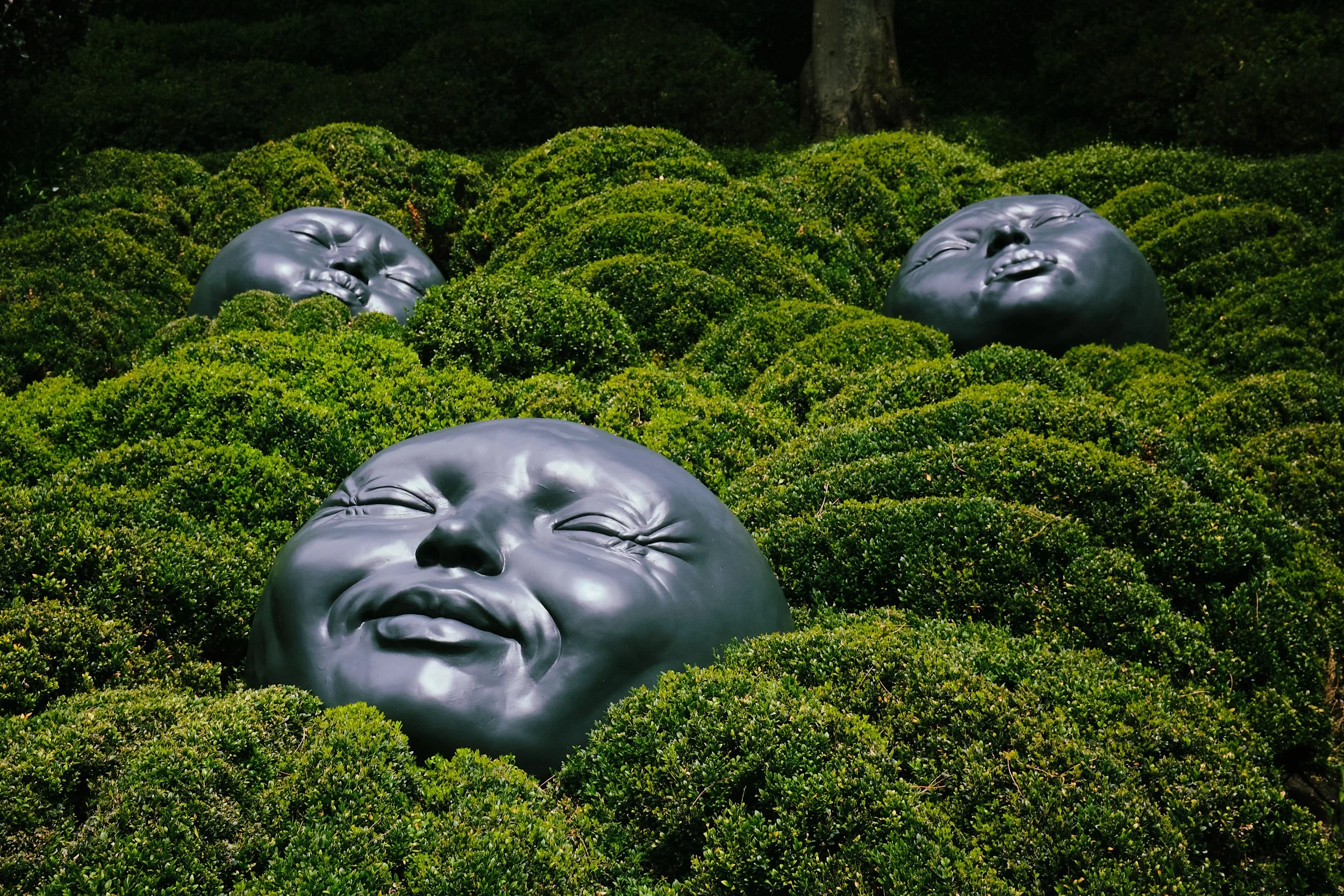
There is a quiet kind of freedom that begins when you start choosing less.
Not less because life demands sacrifice. Not less because minimalism is trending. But less because every decision you make shapes the life you eventually inhabit.
Intentional living isn’t built on having more options. It’s built on making better ones.
We often imagine freedom as limitless possibility—an endless menu of careers, possessions, commitments, habits, subscriptions, wardrobes, opinions, and ambitions. Yet the paradox is that the more we attempt to hold, the more fragmented we become. Our attention scatters. Our energy leaks. Our days become crowded with things we never consciously chose.
Choosing less is not about deprivation.
It is about devotion.
It is the quiet practice of deciding what deserves a place in your life—and allowing everything else to pass by without guilt.
Why More Isn’t Always Better
Modern culture celebrates accumulation.
More productivity.
More goals.
More purchases.
More notifications.
More self-improvement.
Yet very little attention is given to the invisible cost of carrying too much.
Every possession asks to be maintained.
Every commitment asks for your time.
Every notification asks for your attention.
Every “yes” quietly becomes a thousand future moments you can never reclaim.
The weight we carry is rarely physical.
It is mental.
And often, the greatest luxury isn’t abundance.
It’s spaciousness.
Choosing Less Creates More
One intentional choice often creates space for dozens of invisible gifts.
When you choose fewer commitments…
You gain presence.
When you choose fewer possessions…
You gain simplicity.
When you choose fewer distractions…
You gain attention.
When you choose fewer expectations…
You gain peace.
Life expands not because we’ve added something new—but because we’ve finally made room to notice what was already there.
This is why intentional living is less about optimization and more about alignment.
The Hidden Cost of Constant Decision-Making
Every day, your mind makes thousands of decisions.
What to wear.
What to eat.
What to buy.
Which message deserves a reply.
Which article to read.
Which dream to chase next.
Researchers often refer to this mental drain as decision fatigue—the gradual depletion of mental energy after making repeated choices throughout the day.
The solution isn’t stronger discipline.
Often, it’s simply fewer unnecessary decisions.
This is why many people naturally gravitate toward simple wardrobes, repeatable routines, organized homes, and clear priorities.
Not because simplicity is restrictive.
Because simplicity protects attention.
And attention is one of life’s most valuable resources.
Choosing Less Is an Act of Self-Respect
Many of us were taught that saying yes makes us generous.
That staying busy makes us valuable.
That collecting accomplishments makes us successful.
But every meaningful “yes” requires countless intentional “no’s.”
Choosing less means respecting your own capacity.
It means recognizing that your time is finite.
Your energy is sacred.
Your attention is irreplaceable.
Instead of asking,
“Can I fit one more thing into my schedule?”
Begin asking,
“Does this belong in the life I’m trying to create?”
The question changes everything.
A Life Designed by Elimination
We often imagine transformation as addition.
A new planner.
A better morning routine.
Another course.
Another productivity system.
Another purchase that promises to fix everything.
But some of the most meaningful changes happen through subtraction.
Consider removing:
One unnecessary obligation.
One recurring source of distraction.
One purchase made out of habit.
One comparison that steals your joy.
One expectation that no longer reflects who you’re becoming.
Sometimes the next version of yourself isn’t waiting to be built.
It’s waiting to be uncovered.
Five Gentle Ways to Practice Choosing Less
You don’t need to redesign your entire life overnight.
Begin quietly.
1. Choose One Priority Each Day
Instead of chasing ten important tasks, identify the one thing that would make today meaningful.
Everything else becomes secondary.
2. Leave Space in Your Calendar
Resist the urge to schedule every hour.
White space isn’t wasted time.
It’s where life has room to breathe.
3. Buy With Intention
Before purchasing something new, ask:
Will this simplify my life—or complicate it?
Ownership always carries responsibility.
Choose carefully.
4. Create Gentle Defaults
Wear clothes you love repeatedly.
Cook familiar nourishing meals.
Develop simple daily rhythms.
Routine isn’t the enemy of freedom.
Often, it’s what protects it.
5. Let Enough Be Enough
There is extraordinary peace in deciding that today is already complete.
Not every hobby needs monetizing.
Not every opportunity needs accepting.
Not every dream needs chasing at once.
Enough is not settling.
Enough is clarity.
The Beauty of an Uncrowded Life
An uncrowded life doesn’t happen by accident.
It is built through thousands of quiet decisions.
The decision not to compare.
The decision not to overcommit.
The decision not to accumulate simply because everyone else is.
These moments rarely receive applause.
No one notices when you decline another obligation.
No one congratulates you for leaving your weekend unscheduled.
No one celebrates the purchase you didn’t make.
Yet these unseen choices become the architecture of a peaceful life.
The world often rewards more.
Wisdom quietly rewards enough.
A Reflection to Carry With You
Imagine standing at the doorway of your future life.
You cannot bring everything with you.
Not every habit.
Not every possession.
Not every expectation.
Not every obligation.
What would you choose to carry?
And perhaps more importantly—
What are you finally willing to leave behind?
The quality of your life is rarely determined by how much you gather.
It is shaped by what you intentionally choose to keep.
Because every meaningful life is, in many ways, a beautifully edited one.
Continue Your Journey
If this reflection resonated with you, explore more from Bare Earth Company’s Choose pillar, where intentional decisions become the foundation for a life of clarity, presence, and quiet confidence.
Choosing less isn’t about living with less life.
It’s about making room for more of what truly matters.
